
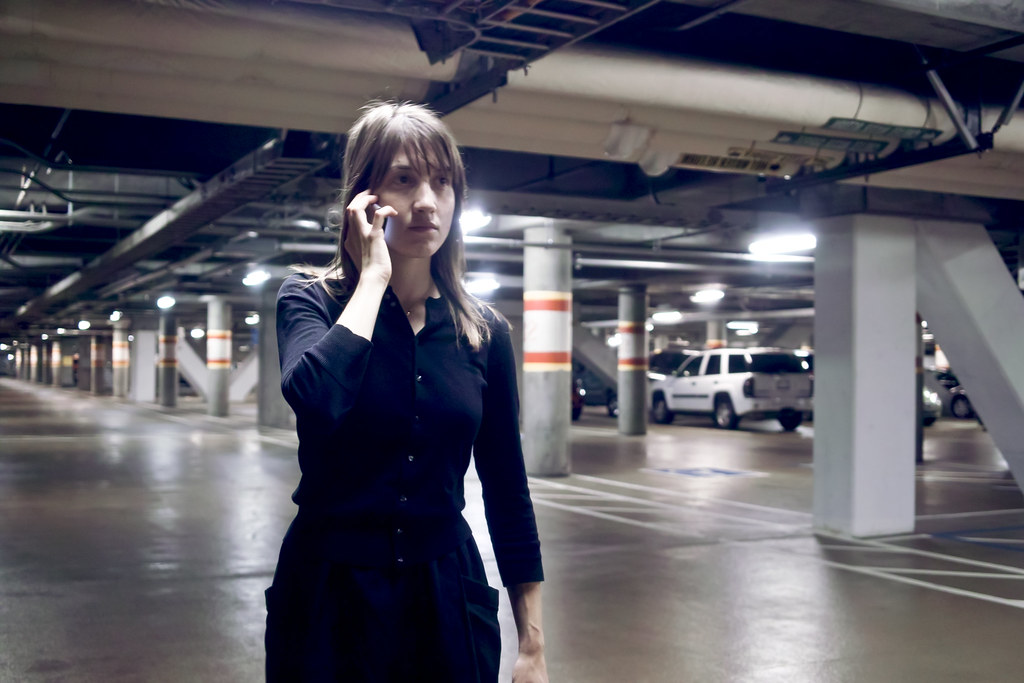
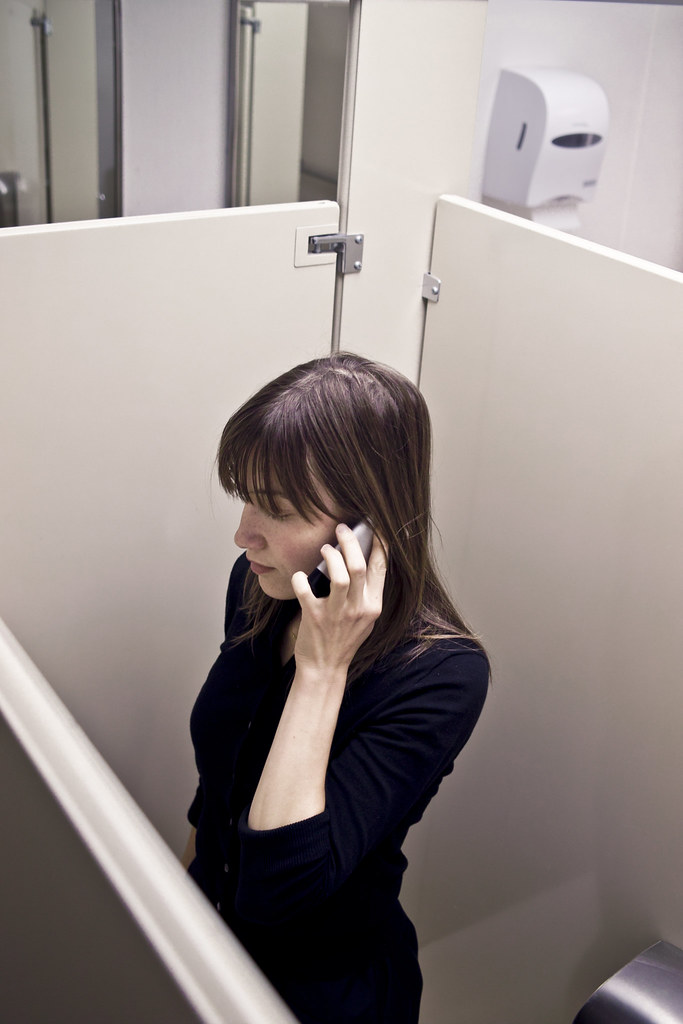
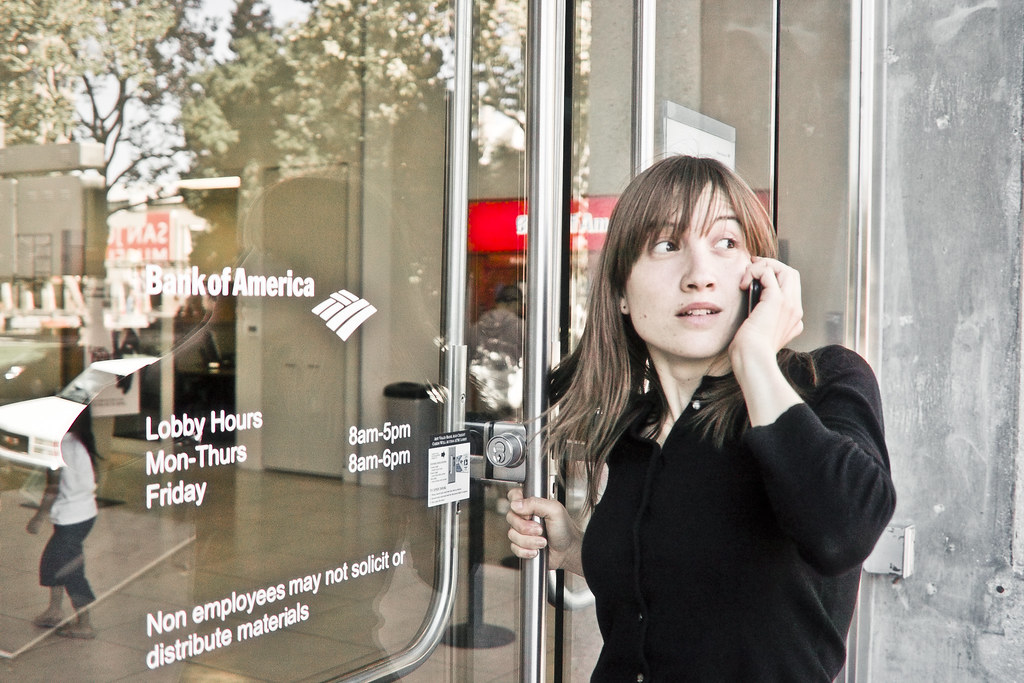
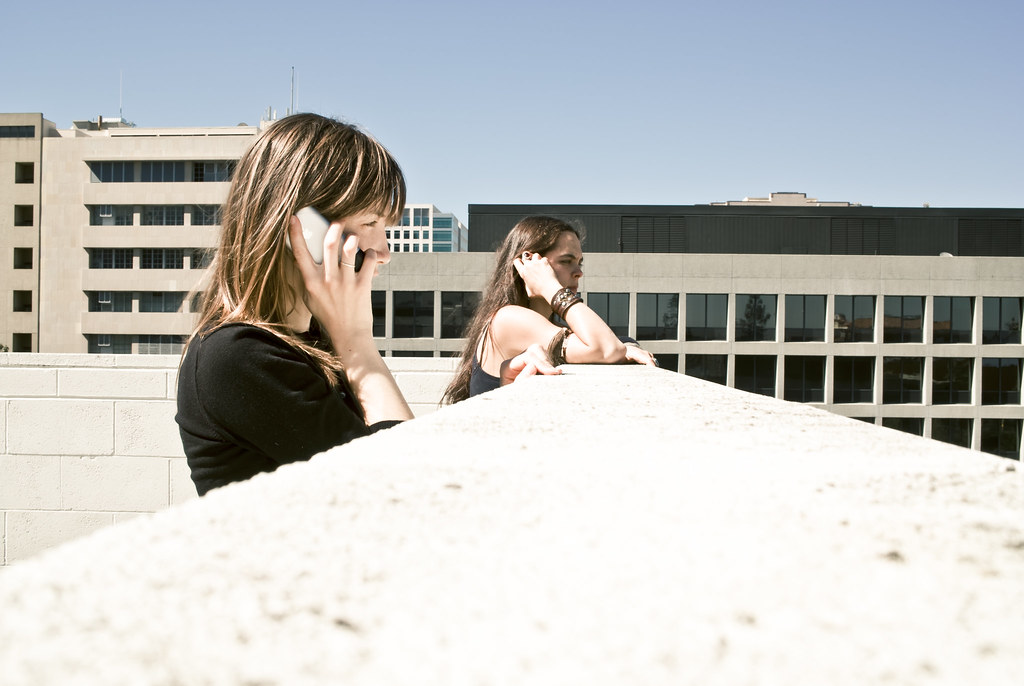
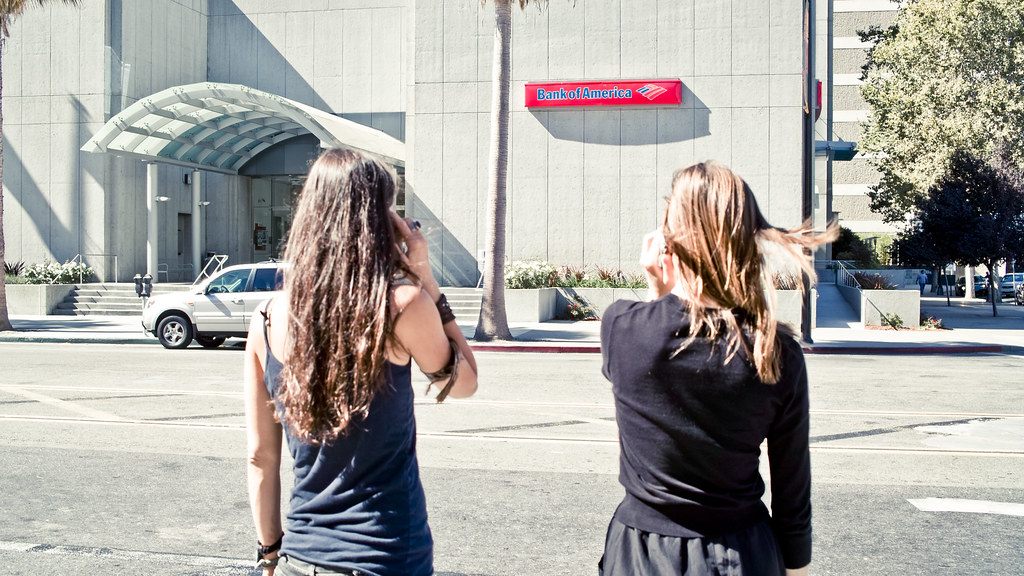






Just listen to the voice on the phone. The voice tells you what to do. The voice says you're playing the lead in a movie. Hide in the toilets, find the getaway car, stake out the bank and take a deep breath. You're going in.

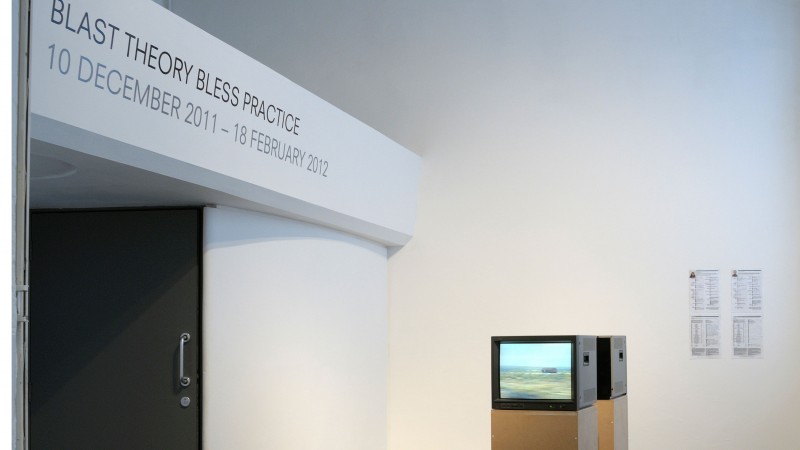
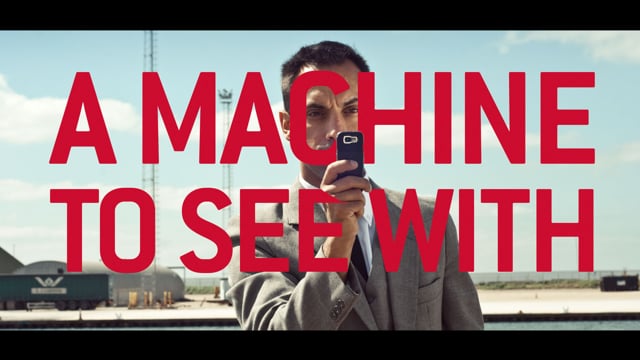
A Machine To See With is a Locative Cinema commission from the Sundance Film Festival, 01 San Jose Biennial and the Banff New Media Institute. It was created between January and September 2010 and premiered in San Jose on 16th September.
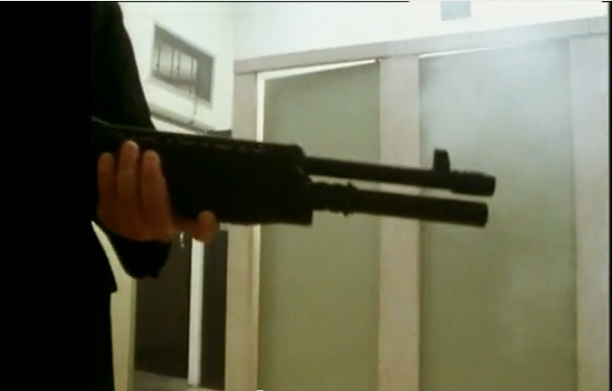
It is a film where you play the lead. You sign up online and hand over your mobile phone number. On the day, you receive an automated call giving you the address you need to go to. Once you arrive on your allotted street corner your phone rings. From there a series of instructions lead you through the city. You are the lead in a heist movie; it’s all about you. As you move from hiding money inside a public lavatory, to meeting up with a partner in crime and onwards to the bank, the tension rises. It’s up to you to deal with the bank robbery and it’s aftermath.
Like Ulrike And Eamon Compliant before it, A Machine To See With puts you at the heart of a crime redolent with political overtones. Inspired by Philippa Foot’s Trolley Dilemma it makes you the protagonist in a developing narrative of ethical decision making. The fiction of the piece and its movie pretext are situated in a real city with a real bank. As you prepare to rob the bank you are aware that the line between pretend crime and real crime are starting to blur. As the voice on the phone says “If the police are called they will not take any notice of your excuses. If you get caught you just deny that you knew you were breaking the law, just tell the authorities that re-distributing capital from where it is not being used to where it will get used is a service. “
The work has three ideas running through it.
It is about cinema. We thought about the city as a cinematic space and considered how screens might be inserted into the streets or carried through them. Our approach was to think of our eyes as the screens themselves: as Chris Hedges says in The Empire of Illusion, “we try to see ourselves moving through our life as a camera would see us, mindful of how we hold ourselves, how we dress, what we say. We invent movies that play in our heads.” One of the starting points was Made In USA by Jean-Luc Godard and the novel from which he stole the story, The Jugger by Richard Stark. The book is a classic of arid compressed noir. Godard took the story as a springboard for a commentary on the Vietnam war, mixing trashy violence with contemporary politics. The title of the work is taken from Godard’s script for Pierrot Le Fou in which Jean Paul Belmondo’s character says, “my eyes are a machine to see with”.
It is about the tyranny of choice and consumerism. The work uses an open source piece of call centre software called Asterisk and thus employs automation to create an ostensibly personalised experience. Adam Curtis’ film Eight People Sipping Wine In Kettering explores the rise of focus groups and marketing based on desire rather than need. Aspects of these polling questions crop up in the work during a section that presumes to create a psychological profile of each participant. Robert Reich’s book Locked In The Cabinet explores one aspect of this process in detail as Bill Clinton attempted to get re-elected against the odds in 1996 and set up a large call centre in Denver to poll thousands of swing voters every day. Some participants hear this story as they wait in the getaway car.
It is about the financial crisis. With the attempted robbery of a bank at its heart, money is a recurrent part of the work. It contrasts the agency of a film star, of a protagonist in a heist movie with the reality of the financial crisis since 2008. It places the adrenaline rush of revenge against the steady impotence of citizens confronted by global capitalism.
“This is not a personality test. This is A Machine To See With. The ending is up to you.
In 8 seconds I will hang up. You will not hear from me again.
Goodbye.”
A Machine To See With is a Locative Cinema commission for 01 San Jose, Banff New Media Institute and Sundance New Frontier.